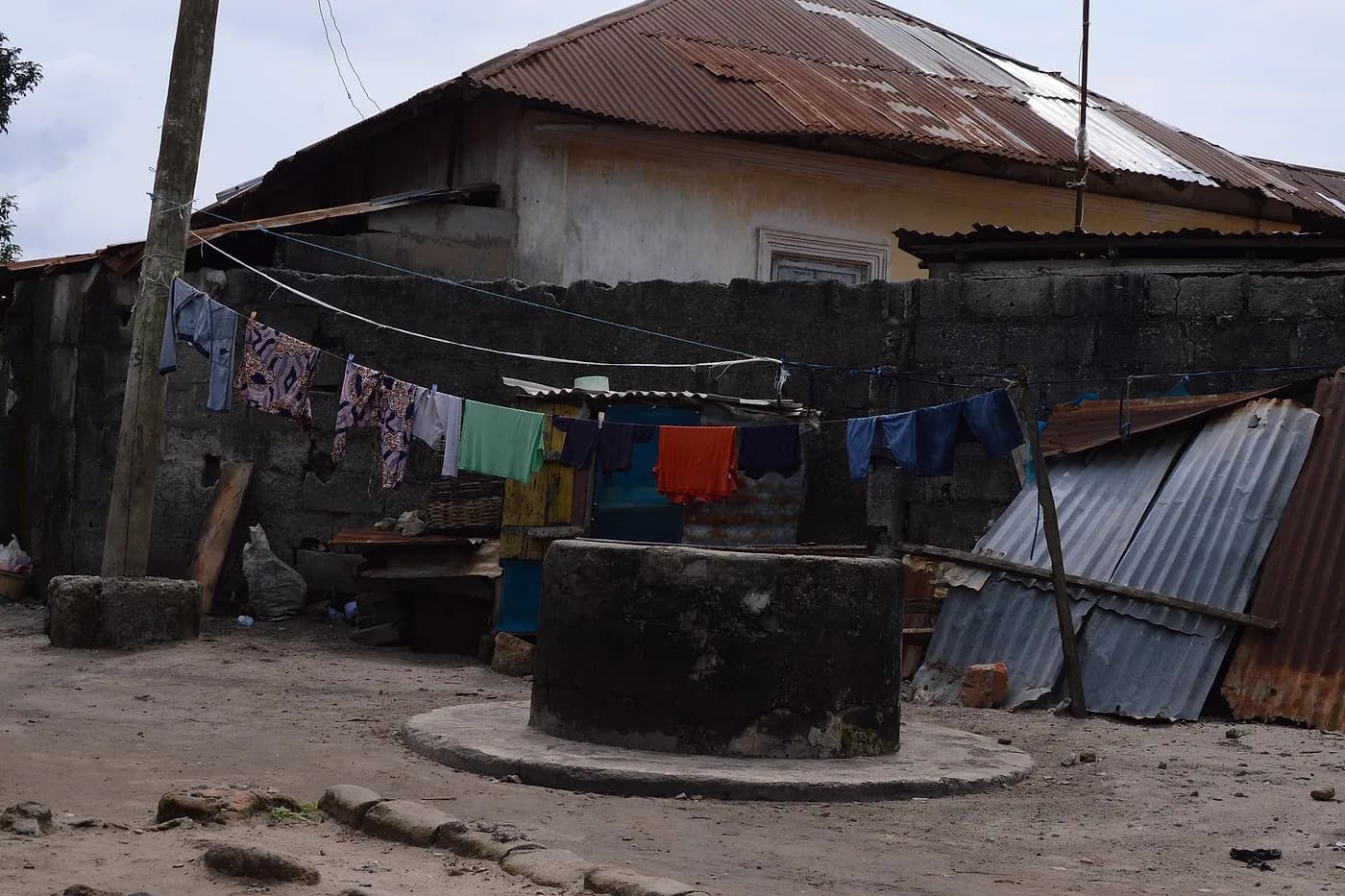
Broken water points across the continent number in the hundreds of thousands. Almost all of them worked once.
Funding a new water point is straightforward to raise money for. It is visible, it is photographable, and it produces a clear before-and-after. Funding the repair of an existing one is much harder, despite frequently serving more people per naira spent.
This asymmetry is a sector-wide problem, and it is one that donors and implementers have created together. Maintenance is unglamorous, so it goes unbudgeted; unbudgeted, it goes undone; undone, the asset fails and someone raises money to build a new one nearby.
Designing for the tenth year
Building for durability means answering three questions before the first hole is dug: who will fix this, with what money, and using parts available from where. If any of the three has no answer, the facility has a predictable end date regardless of how well it is constructed.
- Spare parts sourced from a supply chain that exists locally, not internationally.
- A trained local technician, with the tools, who is paid for the work.
- A maintenance fund that the community controls and contributes to.
- A written, agreed record of who is responsible for what.
Verified quote from an LAHDI beneficiary or community partner. — to be supplied and verified by LAHDI.
No testimonial has been invented for this placeholder.
None of this is complicated. It is simply less appealing to fund than a ribbon-cutting, which is precisely why organisations have to be deliberate about it.