Placeholder programme
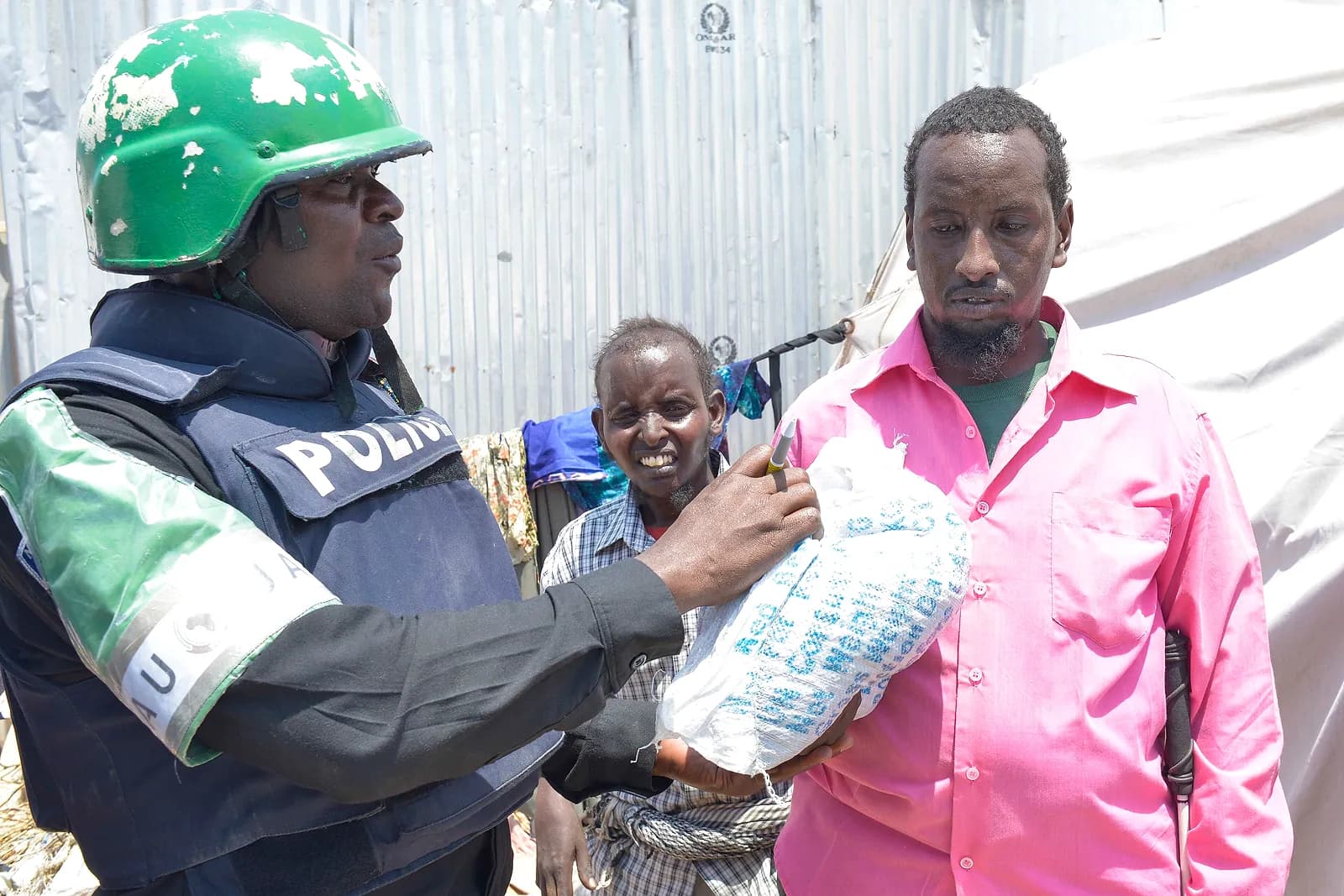
Humanitarian Response
Rapid, dignified support for families affected by displacement, conflict, flooding and other emergencies.
Locations to be confirmedProgramme figure pending verificationImpact figure pending
Learn moreStatistics, partners, documents and stories are unverified placeholders awaiting LAHDI’s content.
01/05
Our Purpose
LAHDI exists because opportunity is unevenly distributed — not talent, not effort, not ambition. Across the communities we serve, people are already organising, teaching, farming, trading and caring for one another. What is often missing is the resource, the technical support and the sustained partnership that turn effort into lasting change.
We work at that intersection: immediate humanitarian support where it is needed now, and patient development work that strengthens what a community can do for itself over time.
To work with communities across Africa to advance human dignity, create sustainable opportunities and build a better future — through humanitarian response and long-term development delivered in partnership with the people we serve.
Who We Are
Love Africa Humanitarian and Development Initiative (LAHDI) is a humanitarian and development organisation working to improve lives, strengthen communities and create sustainable opportunities across Africa.
We were formed around a simple conviction: that the people closest to a problem are closest to its solution, and that the job of an organisation like ours is to stand with them — with resources, technical capability, and a commitment that does not end when a project cycle does.
Our work spans immediate relief and long-term development. In practice that means responding when families are displaced or a harvest fails, and staying afterwards to help rebuild livelihoods, strengthen schools and clinics, and support the local institutions that hold a community together.
To work with communities across Africa to advance human dignity, create sustainable opportunities and build a better future — through humanitarian response and long-term development delivered in partnership with the people we serve.
An Africa where every community has the resources, capability and voice to shape its own future.
Listen first, partner locally, act practically, and stay long enough that the community — not the organisation — owns the result.
What we stand for
Our Work
Rapid, dignified support for families affected by displacement, conflict, flooding and other emergencies.
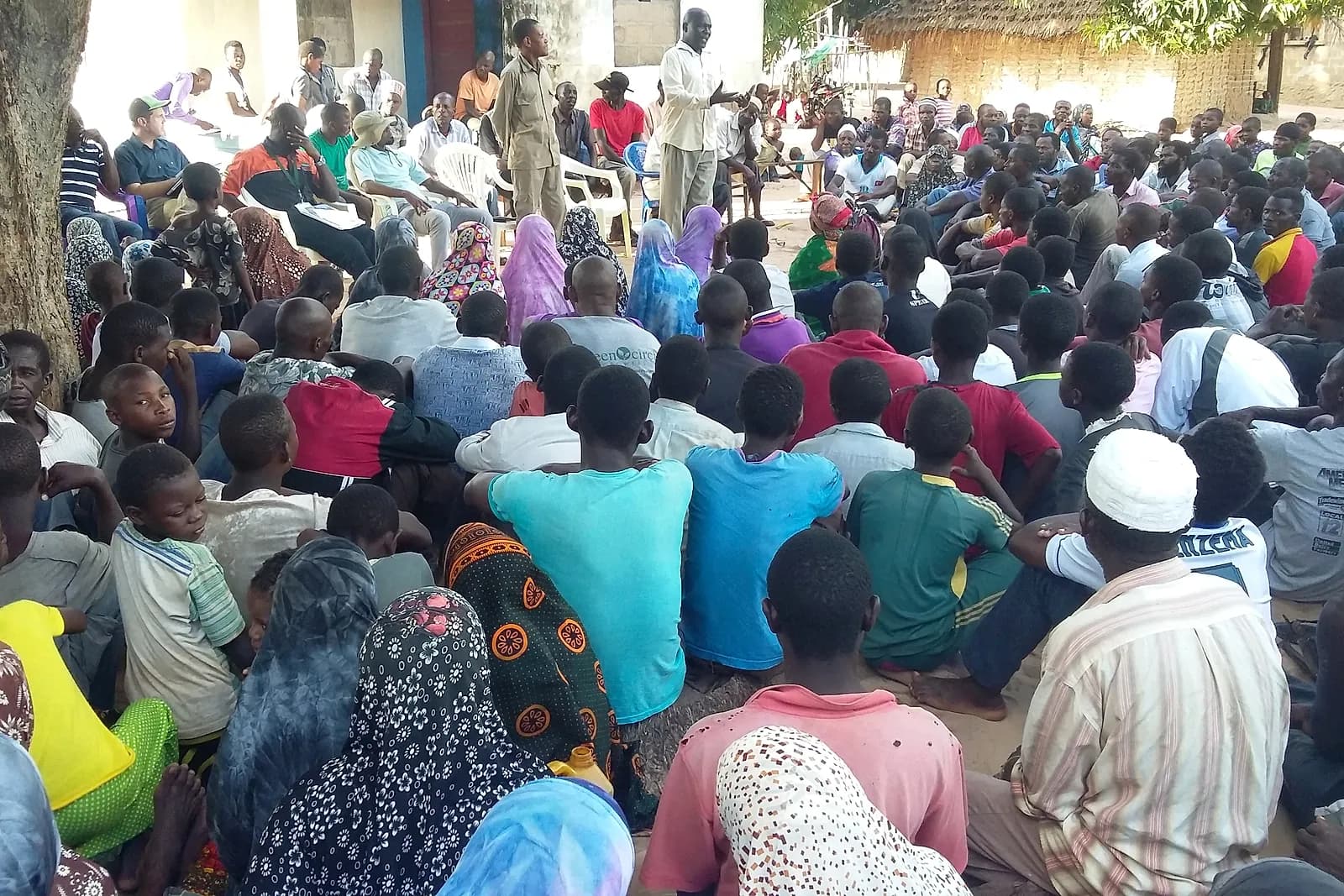
Long-term work with communities to strengthen the institutions, infrastructure and skills they identify as priorities.
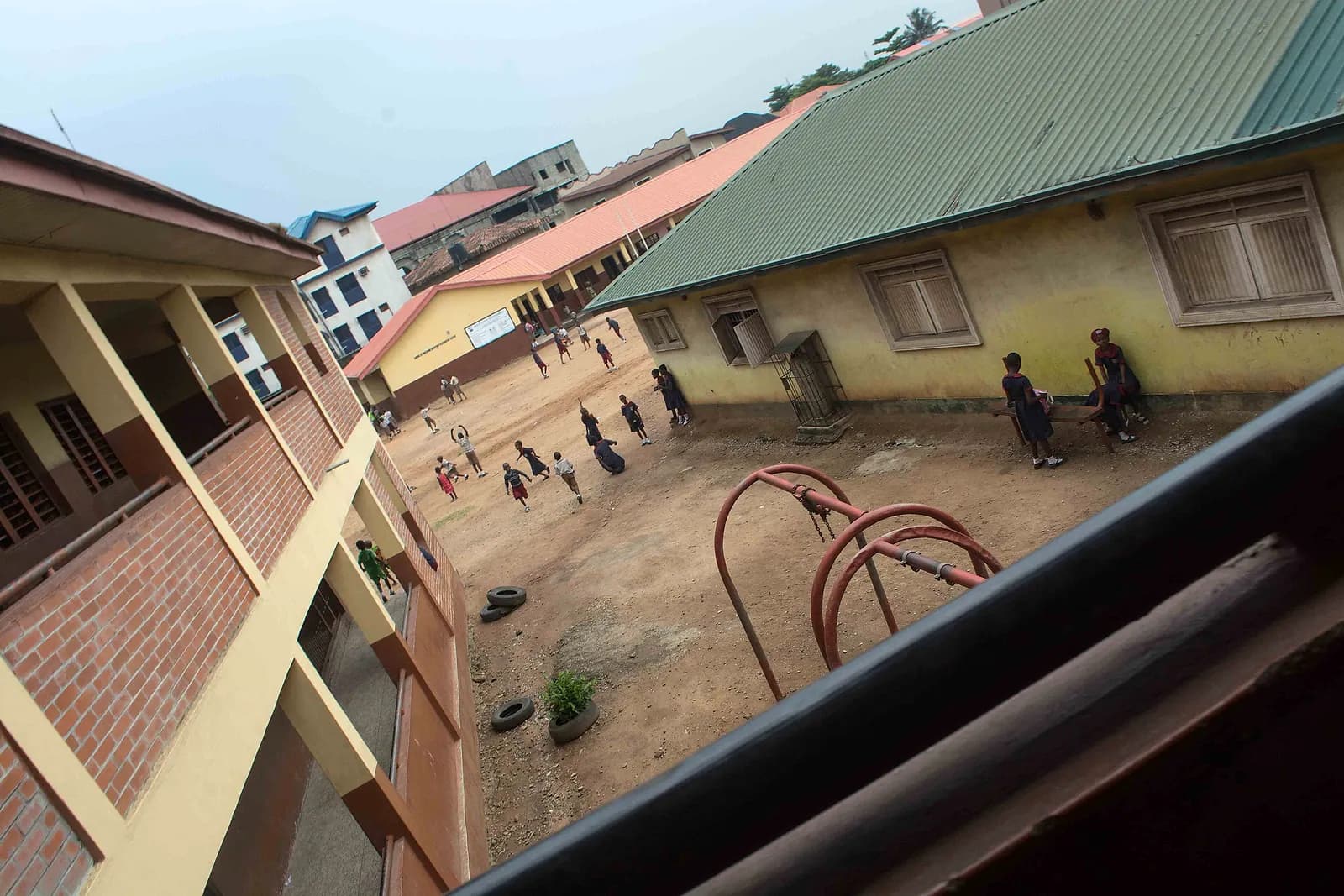
Improving access to quality learning for children whose schooling is interrupted by cost, distance, displacement or disability.
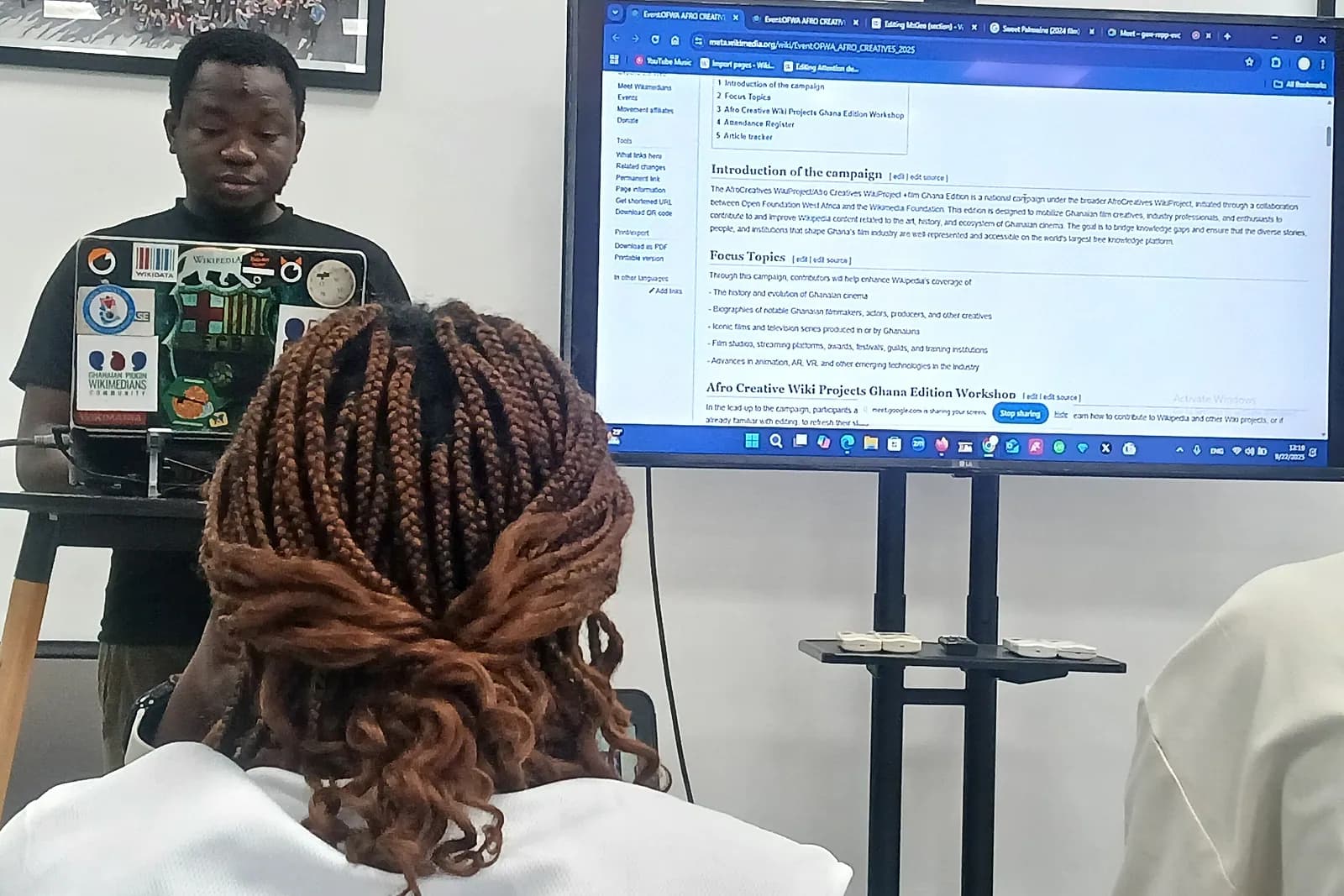
Skills, mentorship and start-up support for young people building livelihoods in their own communities.
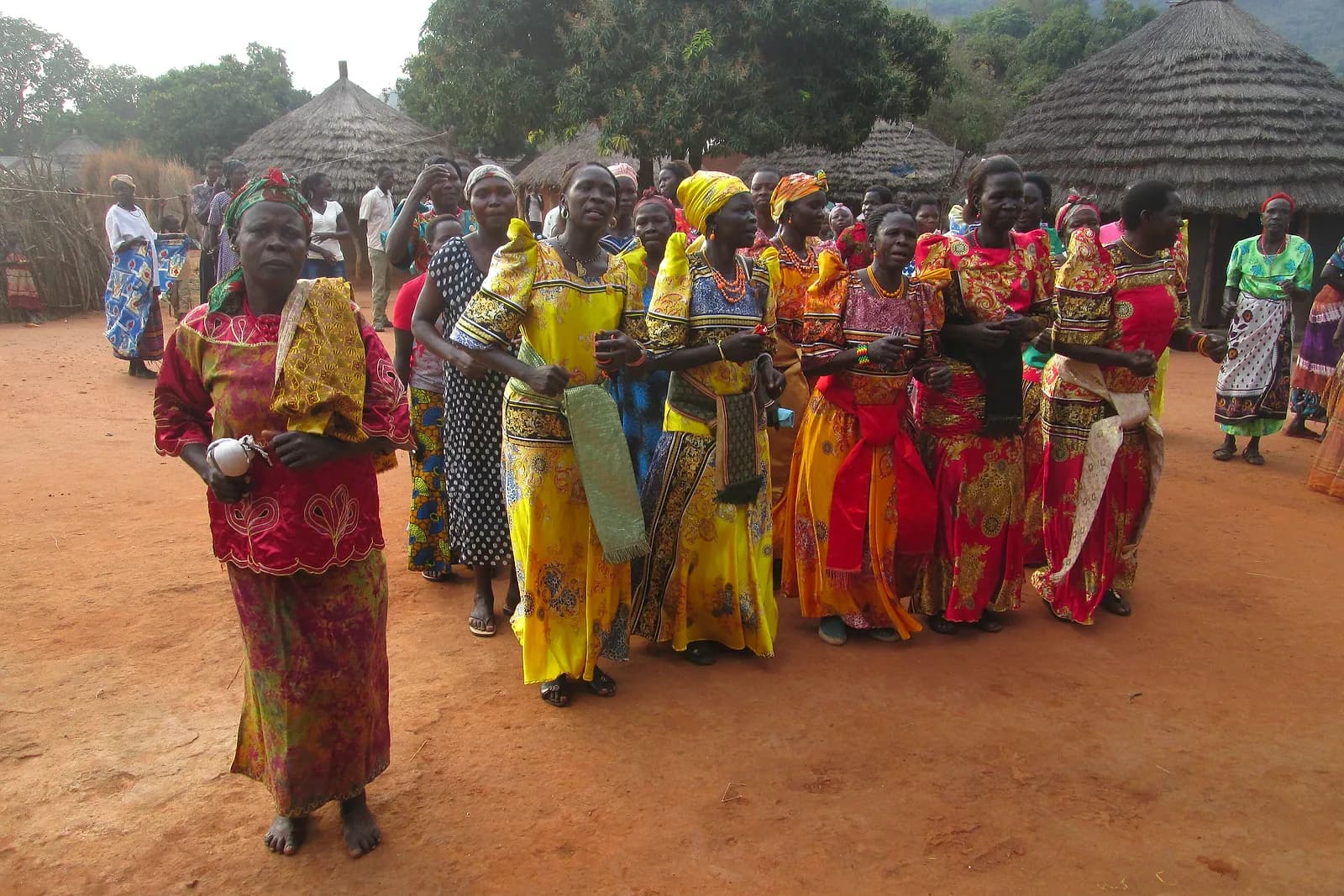
Backing the economic independence, health and leadership of women and girls, and the households that depend on them.
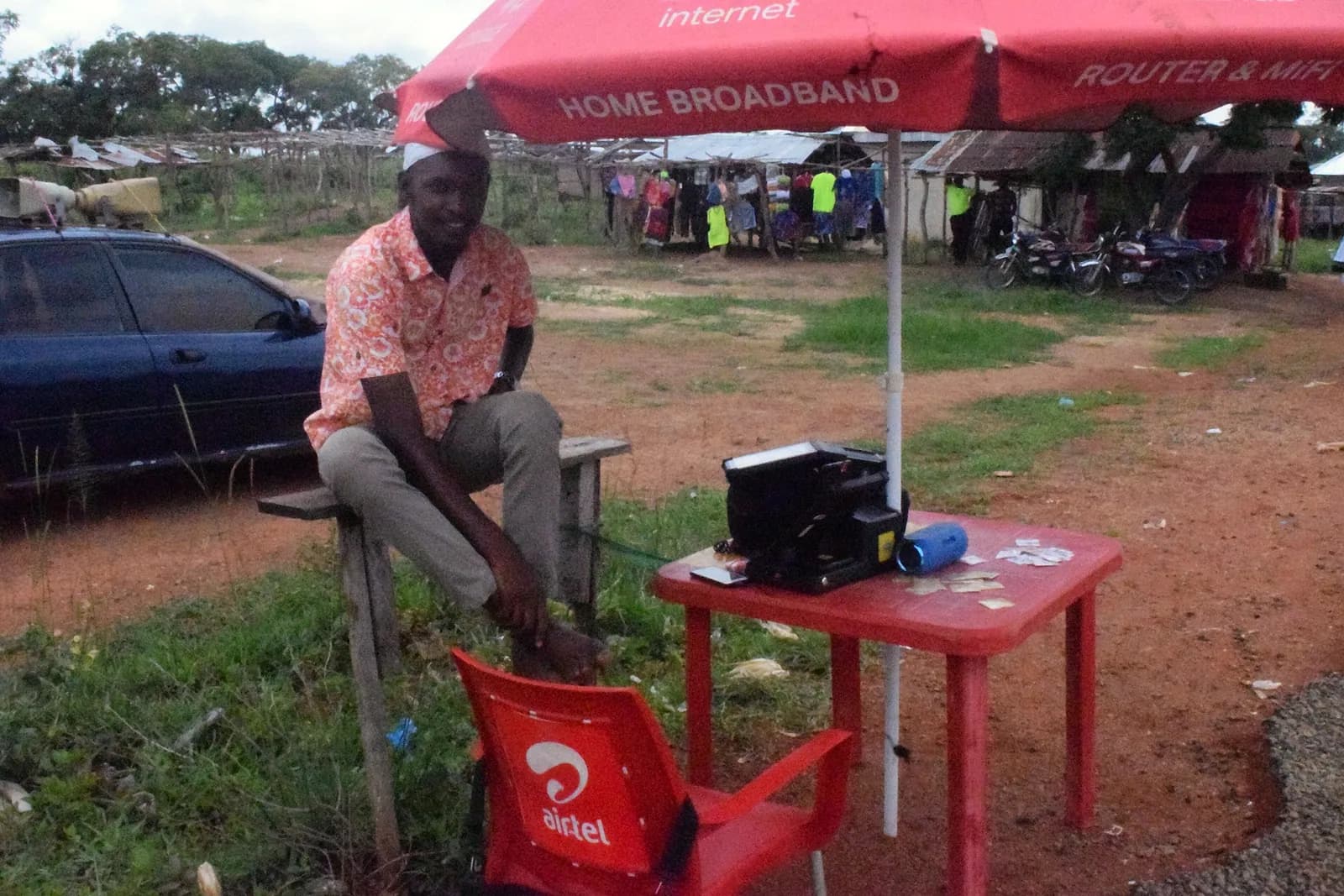
Helping households move from getting by to getting ahead — through skills, working capital and market access.
Our Impact
We publish what we can verify. Every figure below is drawn from programme records and reconciled against our reporting to partners and donors.
Our method
Step 01
We begin by understanding community needs — sitting with residents, leaders and local institutions before a single activity is designed.
Step 02
We work alongside communities, institutions and partners, building on the structures and knowledge that already exist locally.
Step 03
We implement practical, locally relevant solutions — delivered with communities rather than handed to them.
Step 04
We focus on long-term impact and community ownership, transferring skills and responsibility so results outlast the programme.
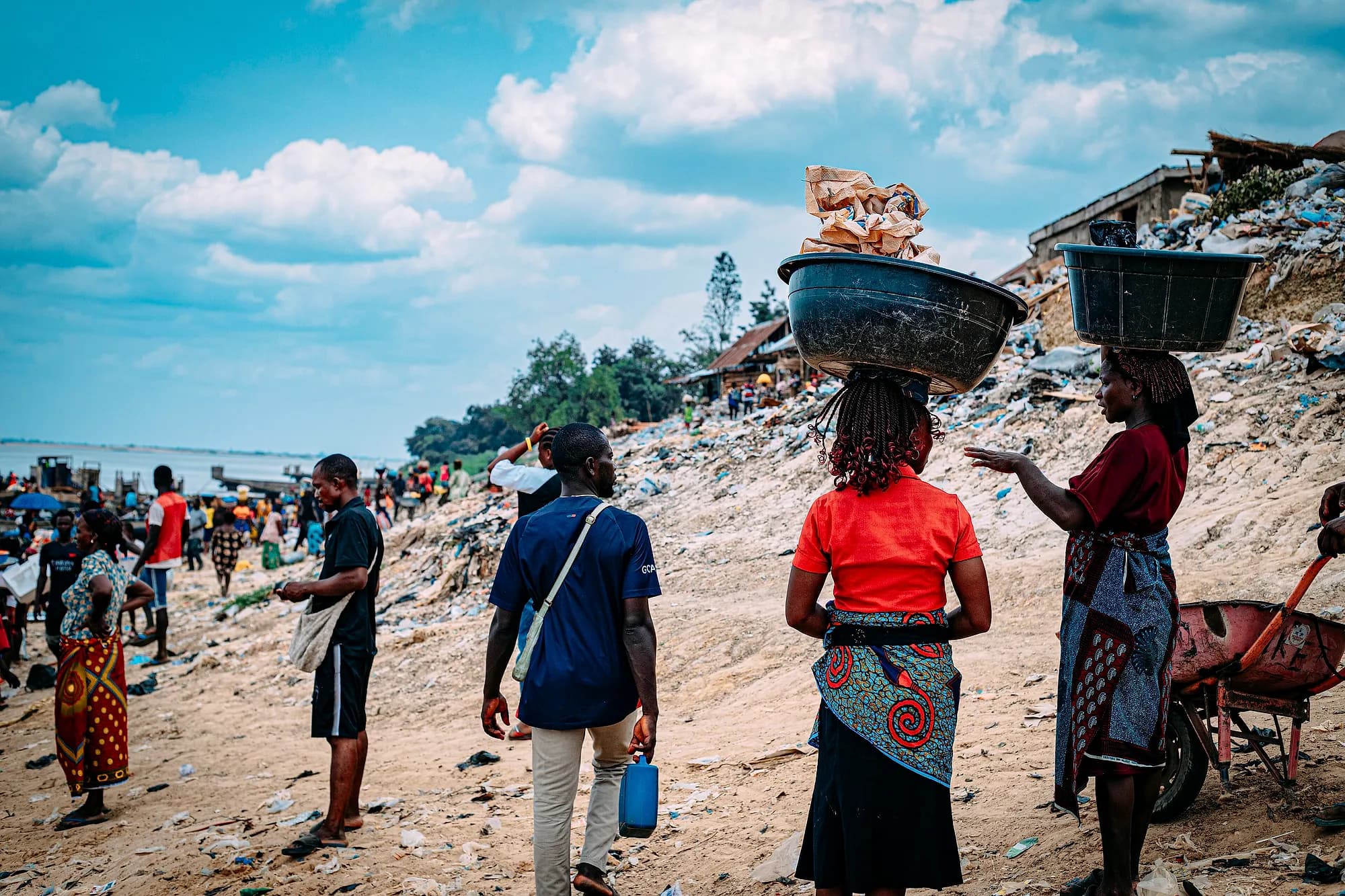
The projects that are still working five years later have one thing in common, and it is not their budget.
A verified quote from an LAHDI beneficiary or community partner will appear here.
No testimonial has been invented for this placeholder.
Stories
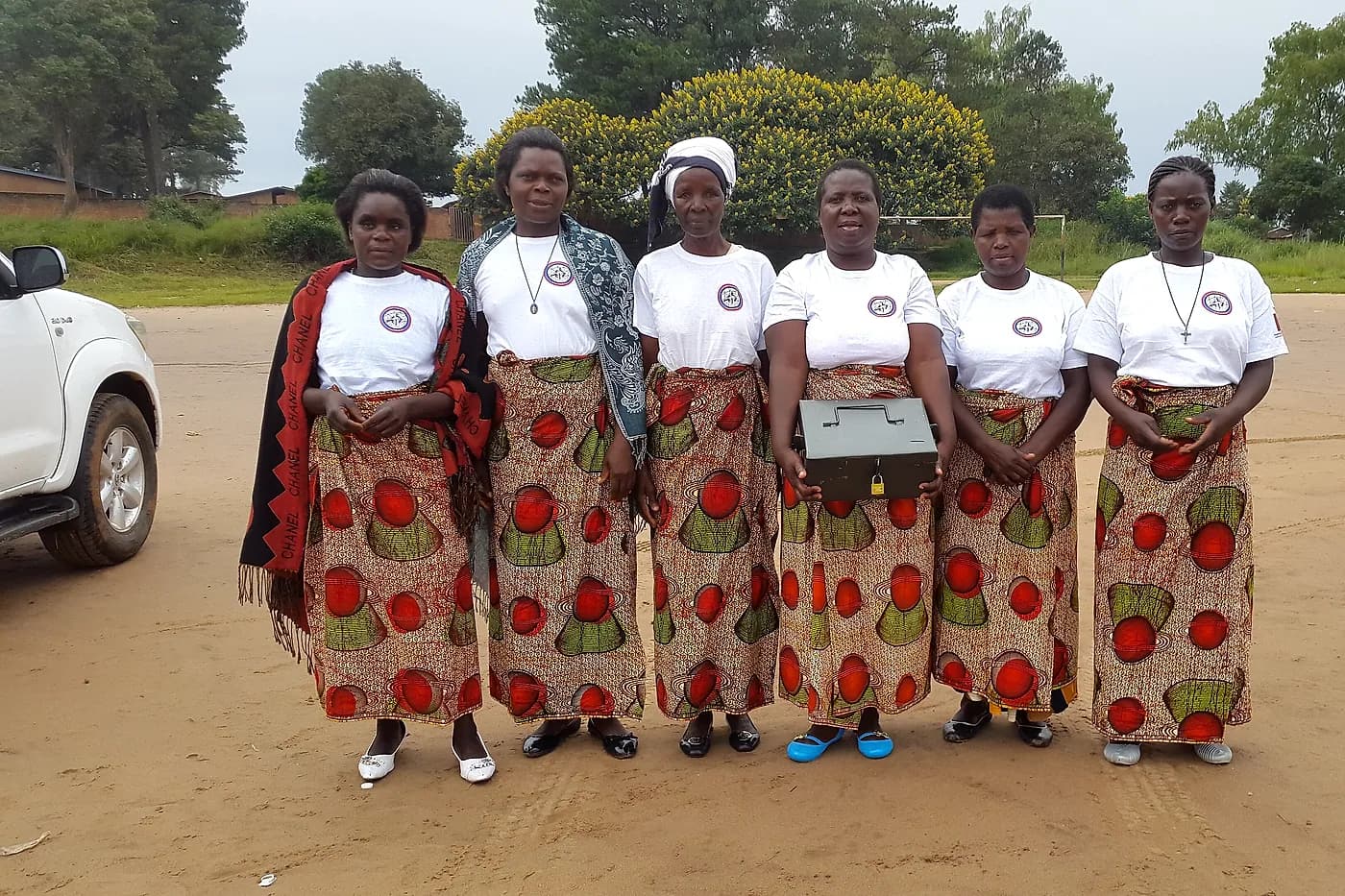
The money matters less than people assume. The predictability matters far more.
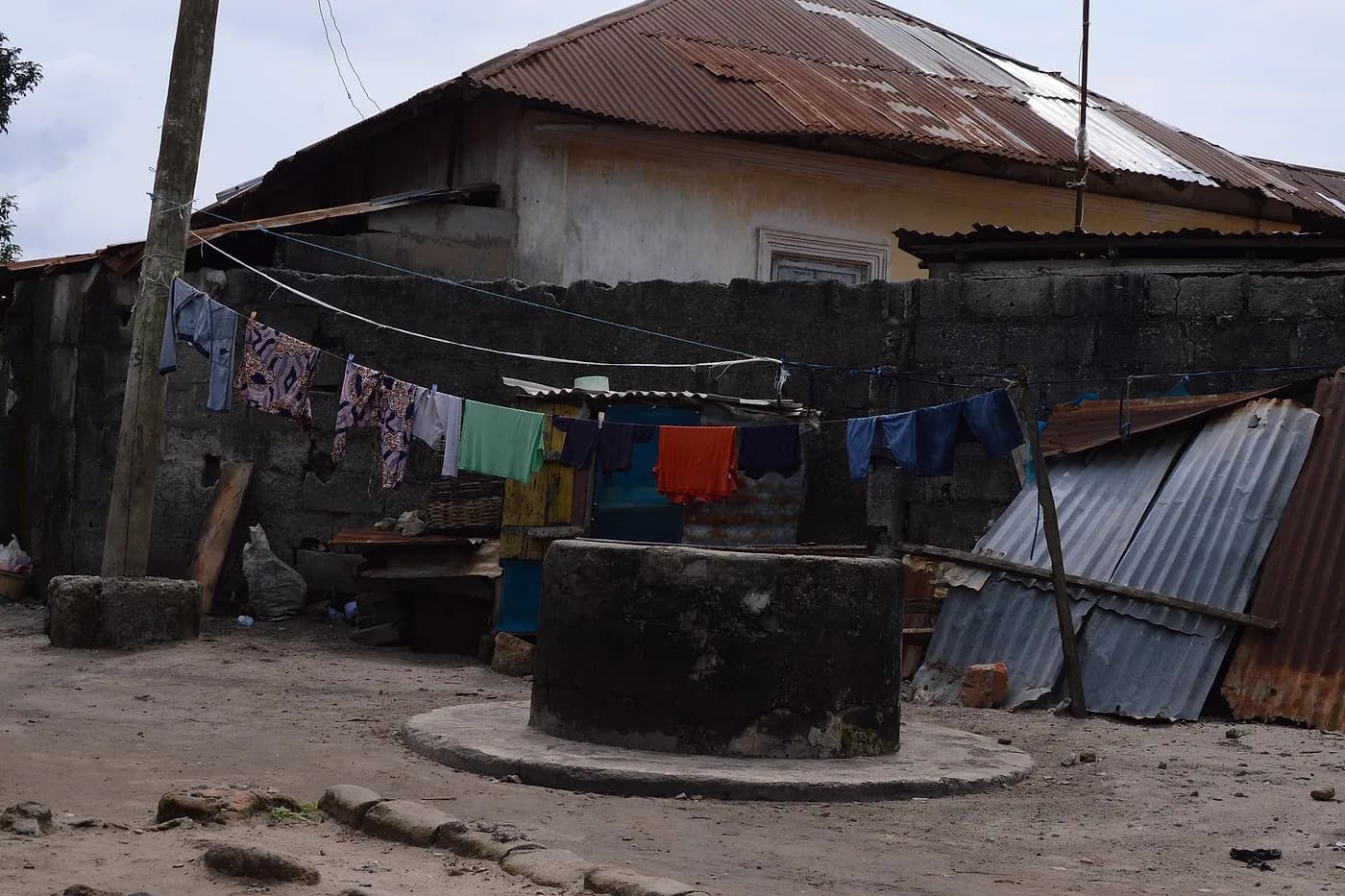
Broken water points across the continent number in the hundreds of thousands. Almost all of them worked once.
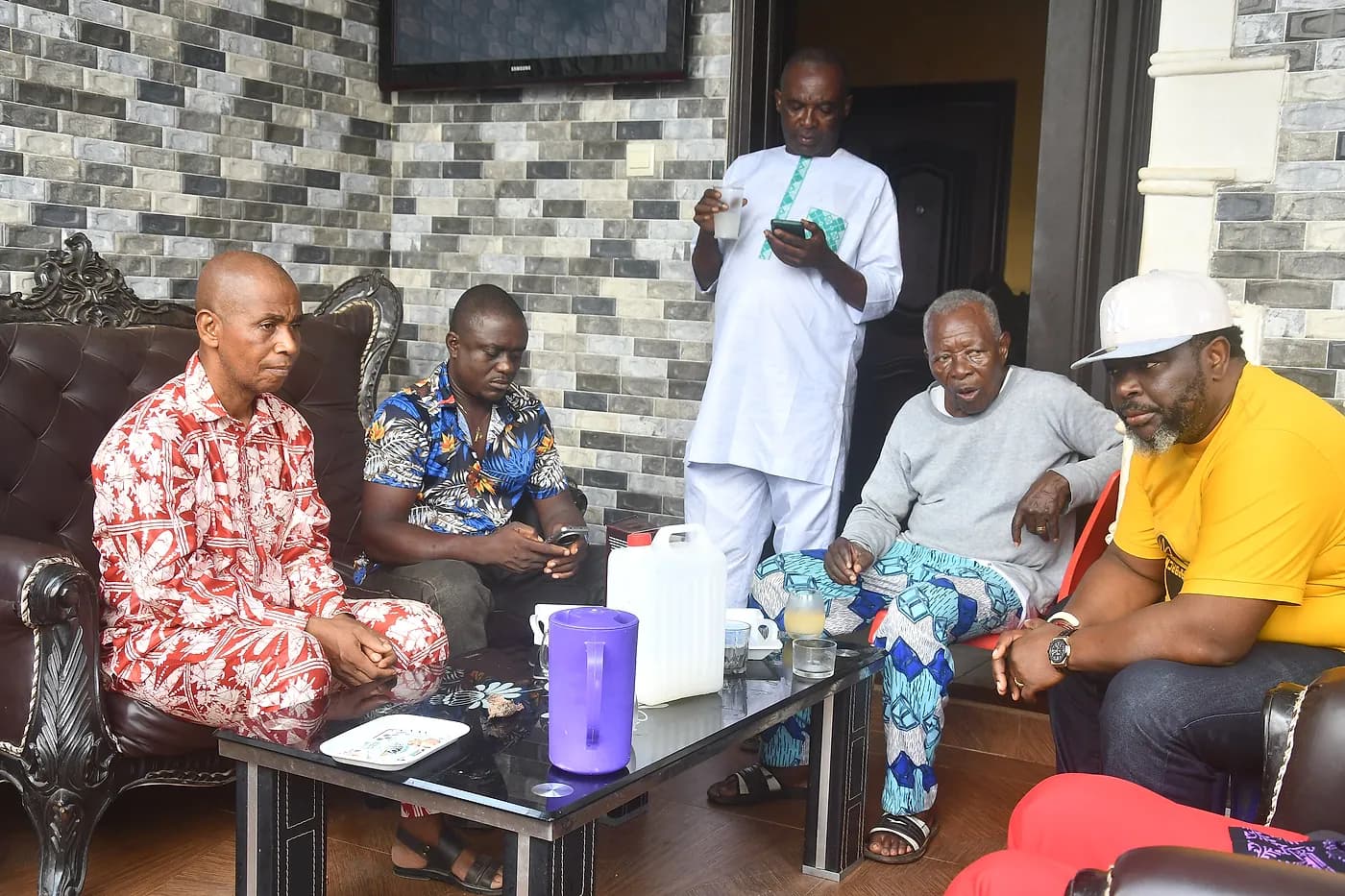
Beneficiary numbers are the easiest figure in the sector to inflate, and the hardest to interrogate.
Gallery
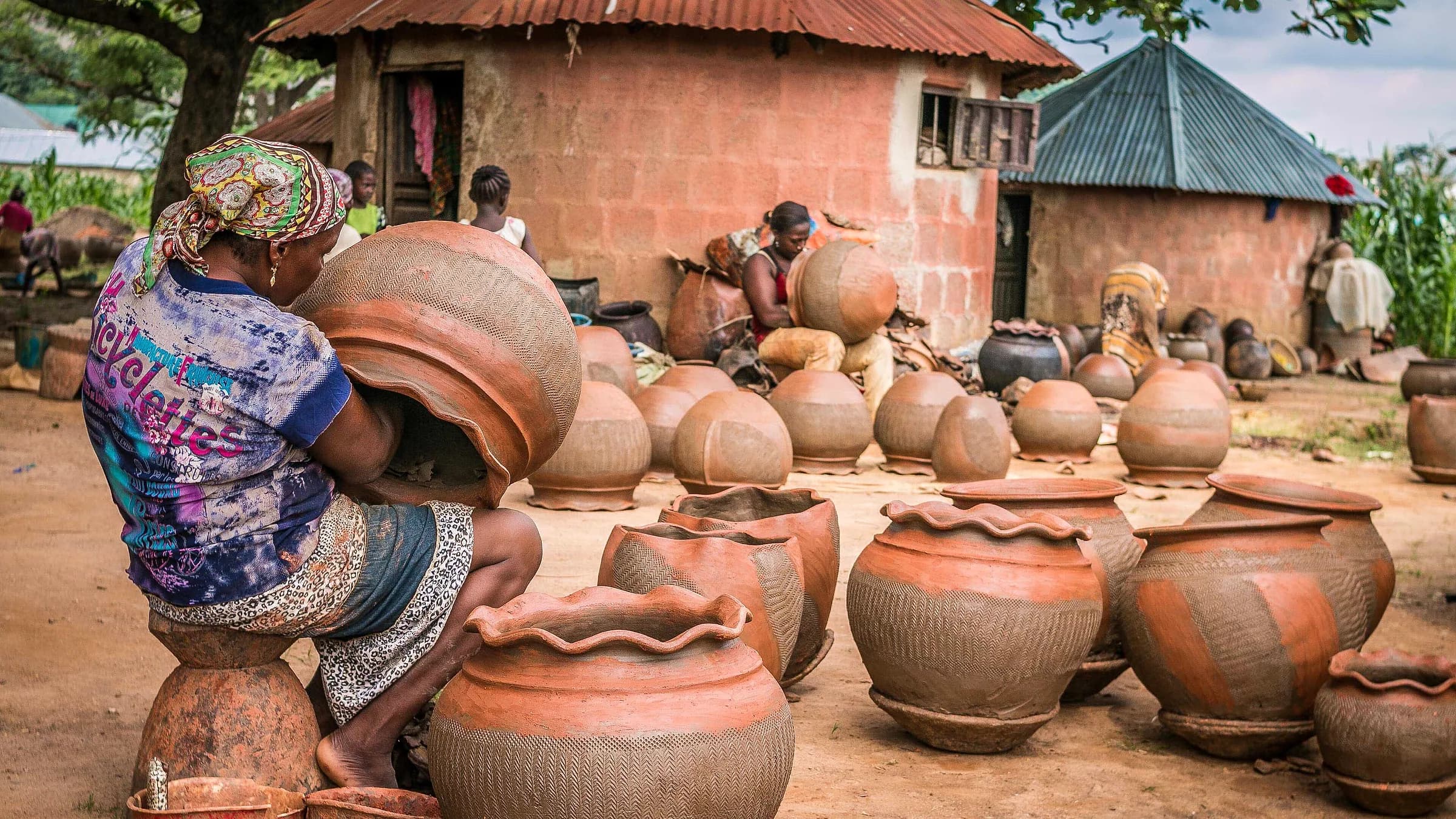
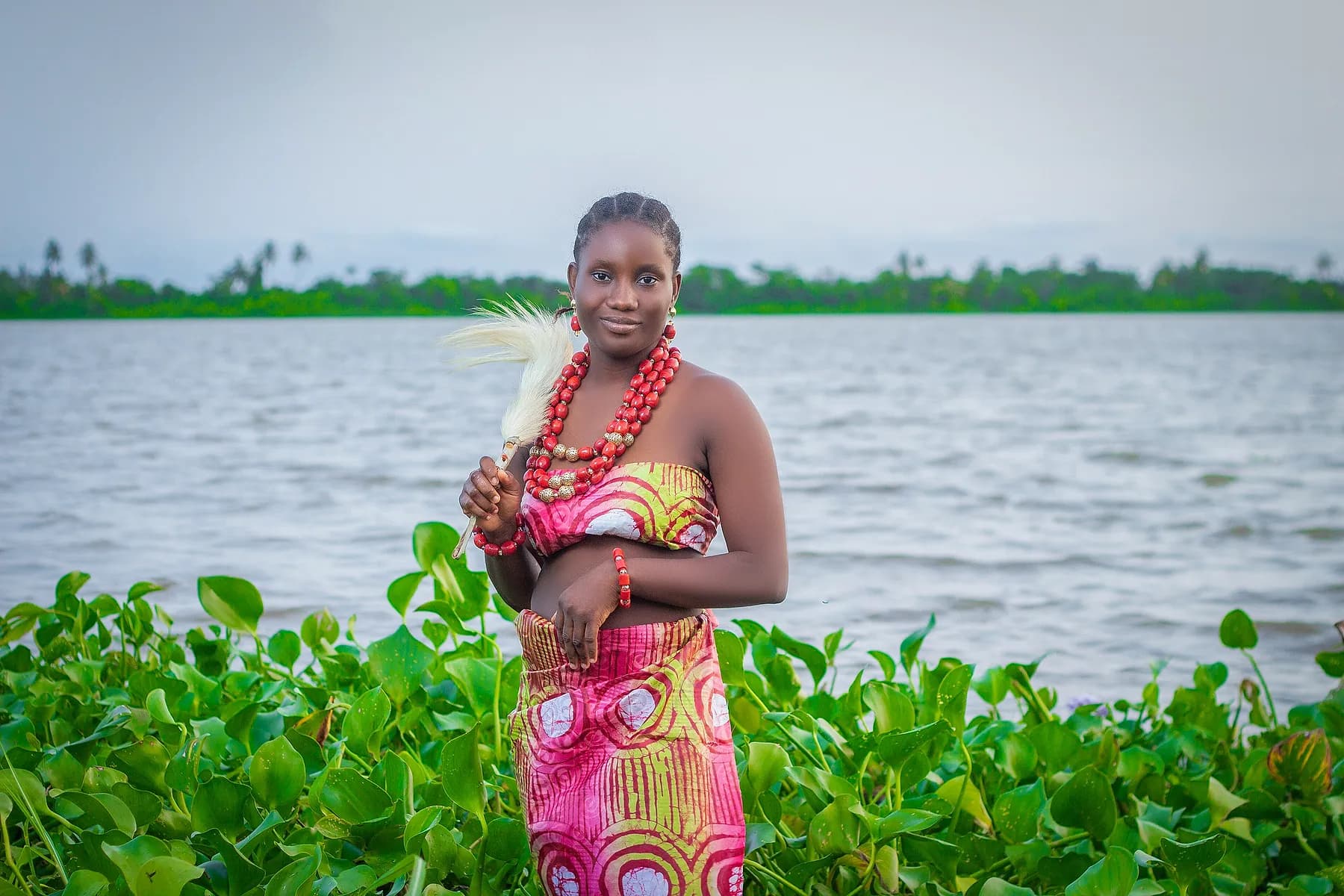 View in the gallery: Daily life in an African village.
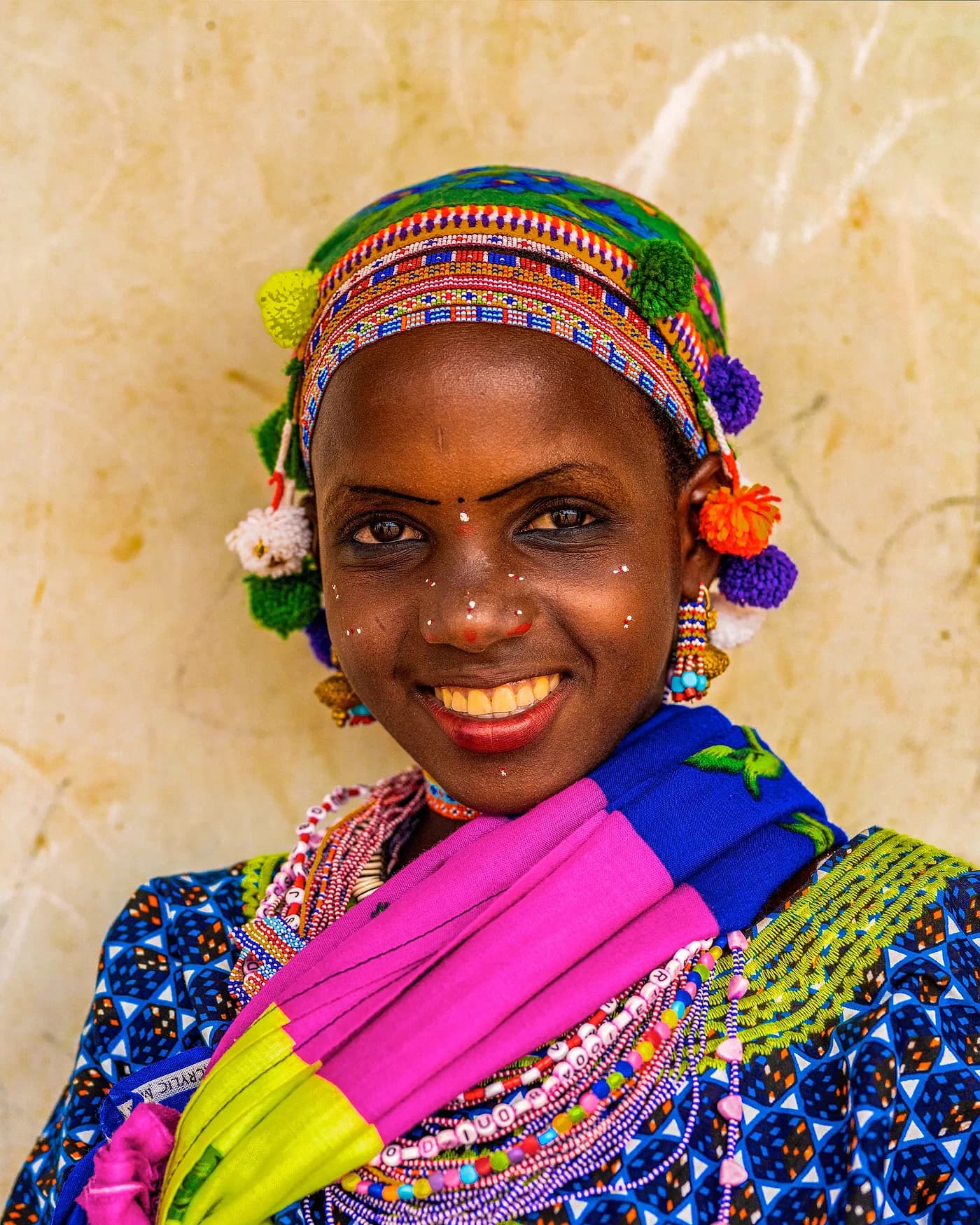
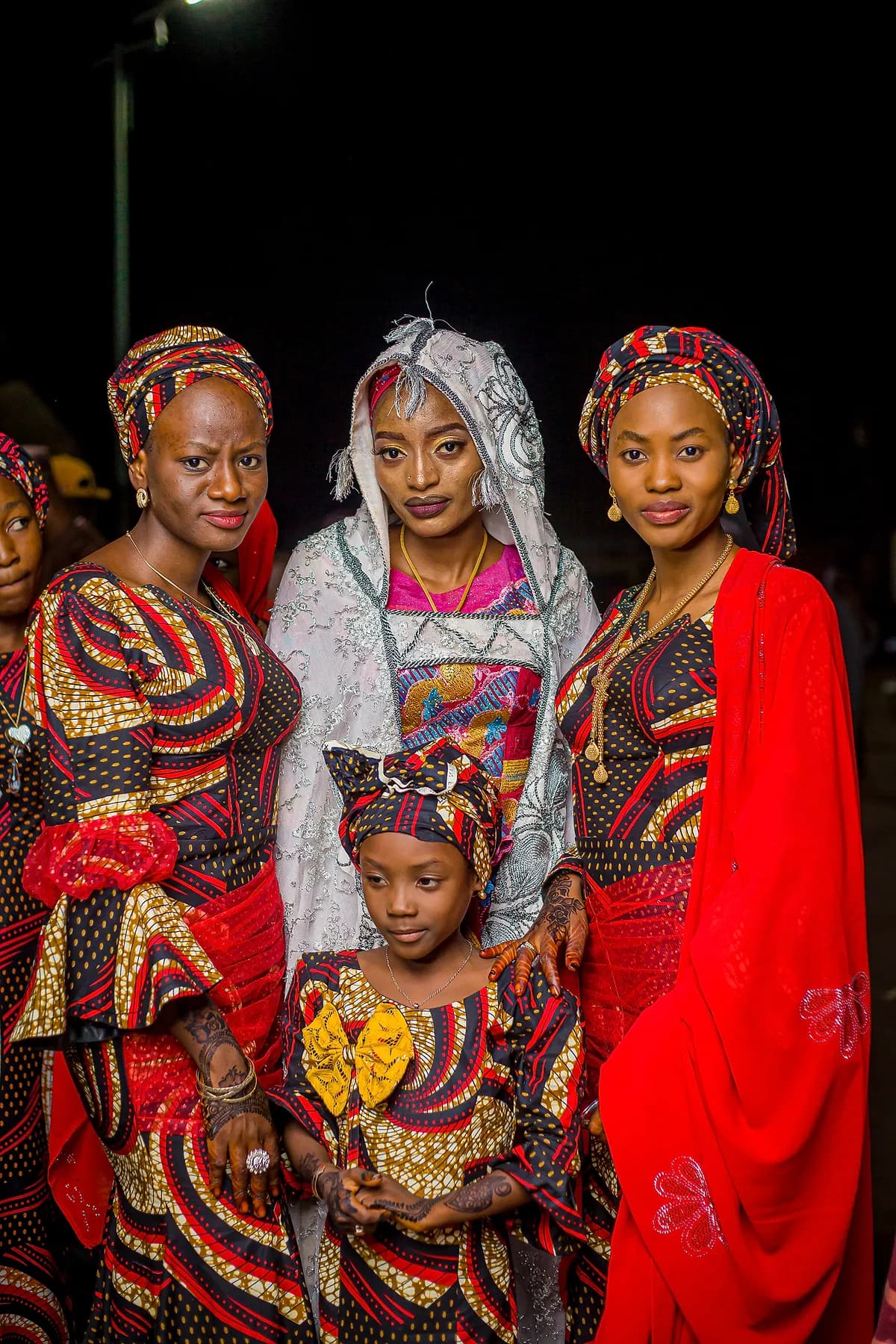 View in the gallery: Women in traditional dress at a Fulani wedding.
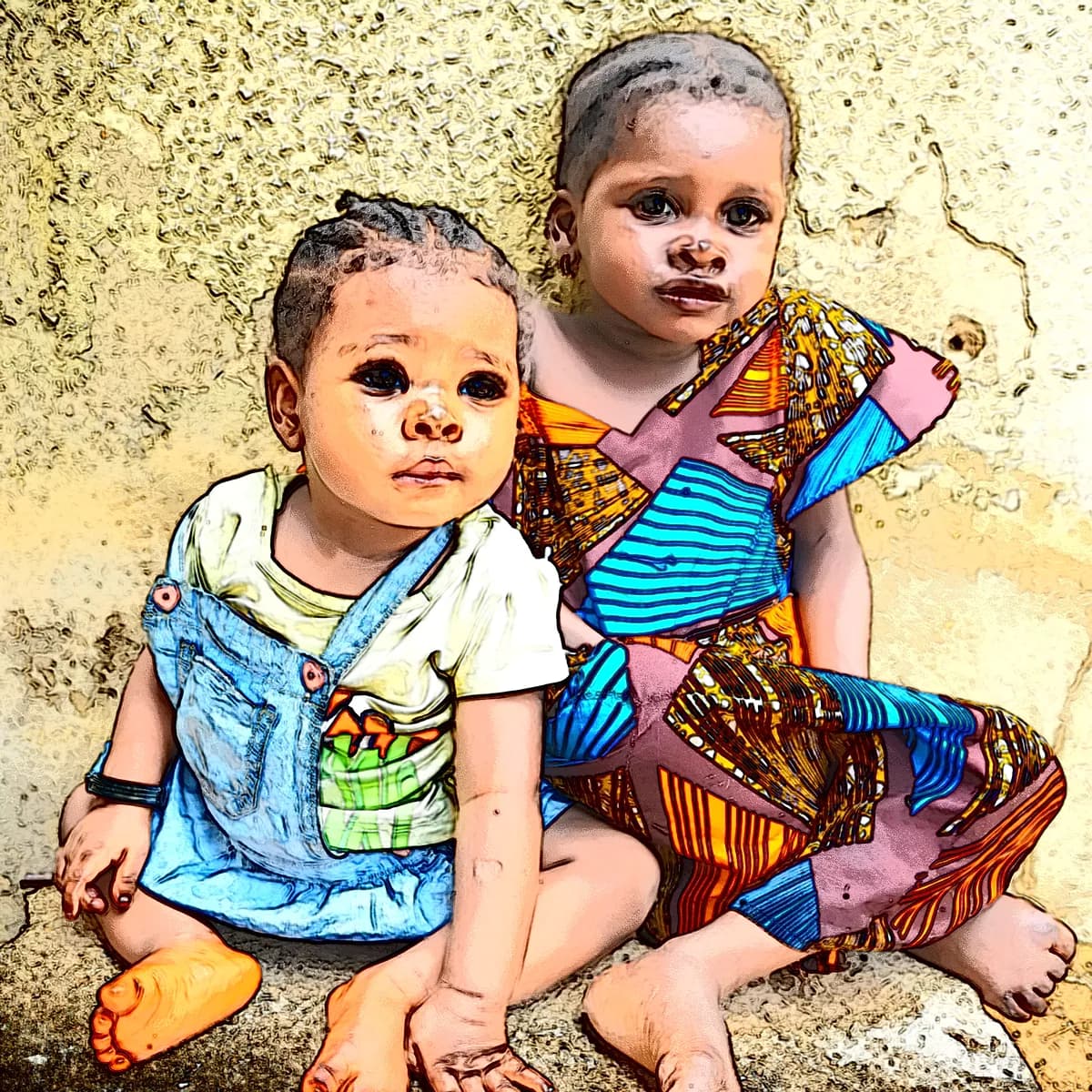 View in the gallery: Two young children sitting together.
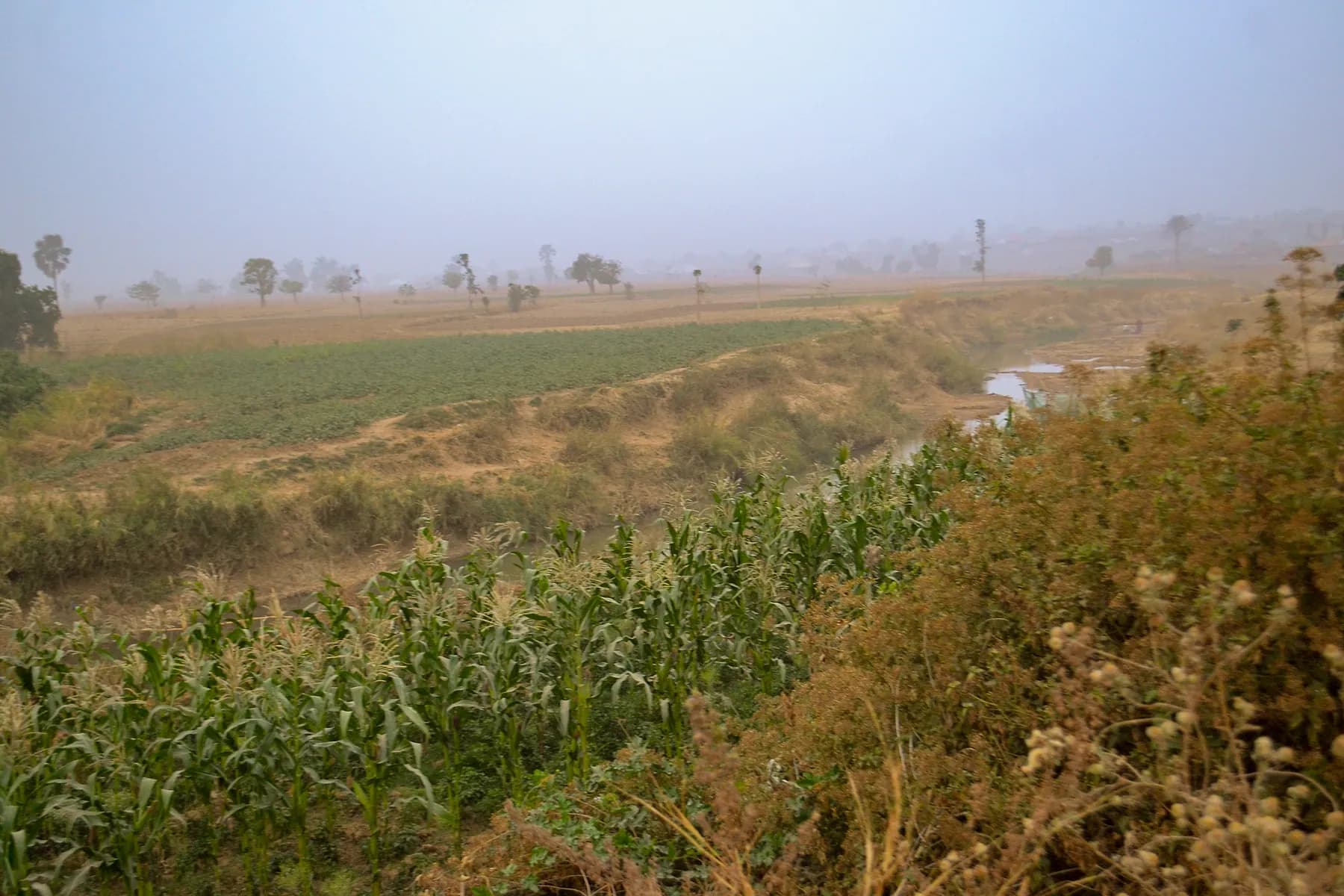 View in the gallery: A maize farm beside the Gurara River, Nigeria.
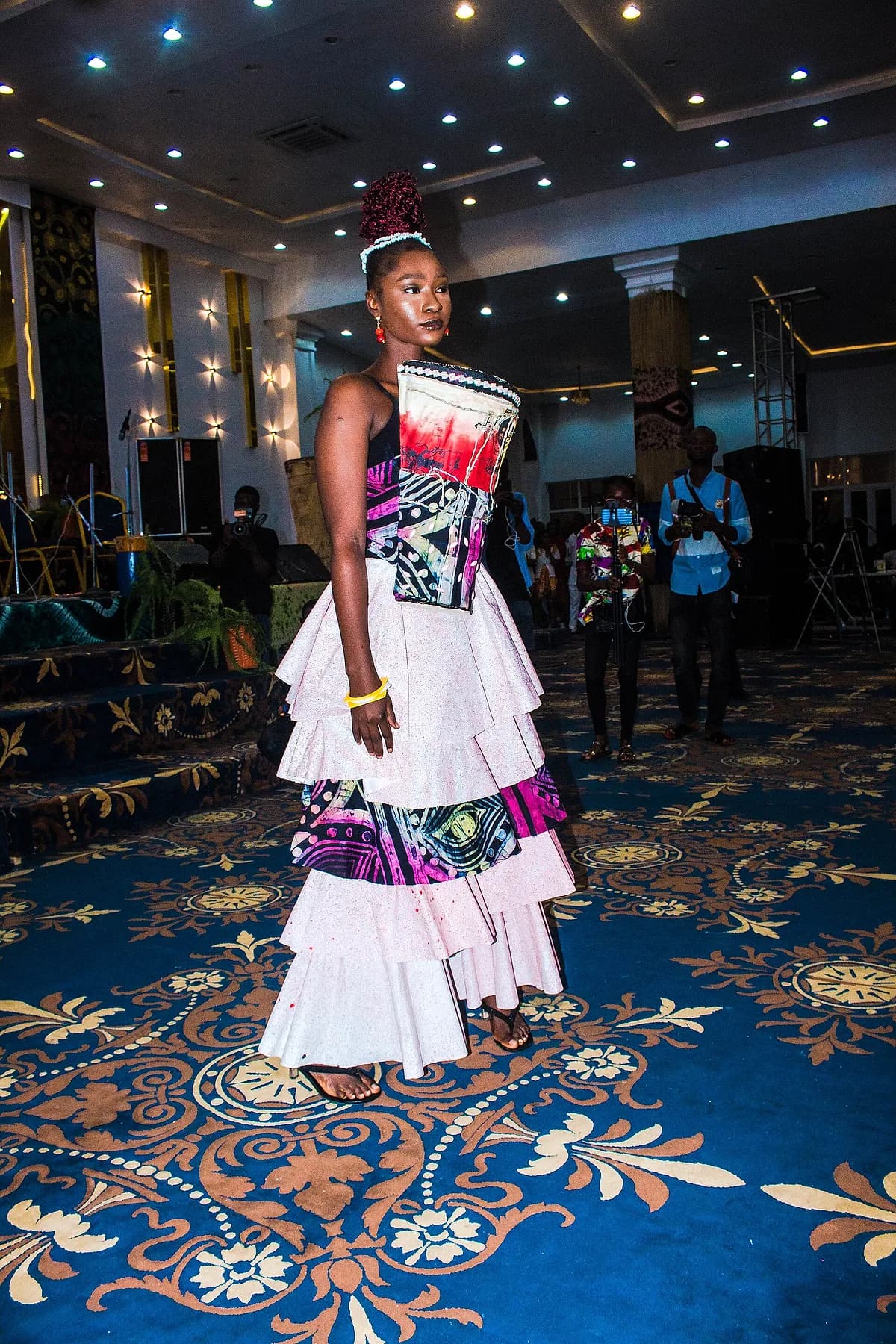 View in the gallery: A woman wearing an outfit in adire patterned fabric.
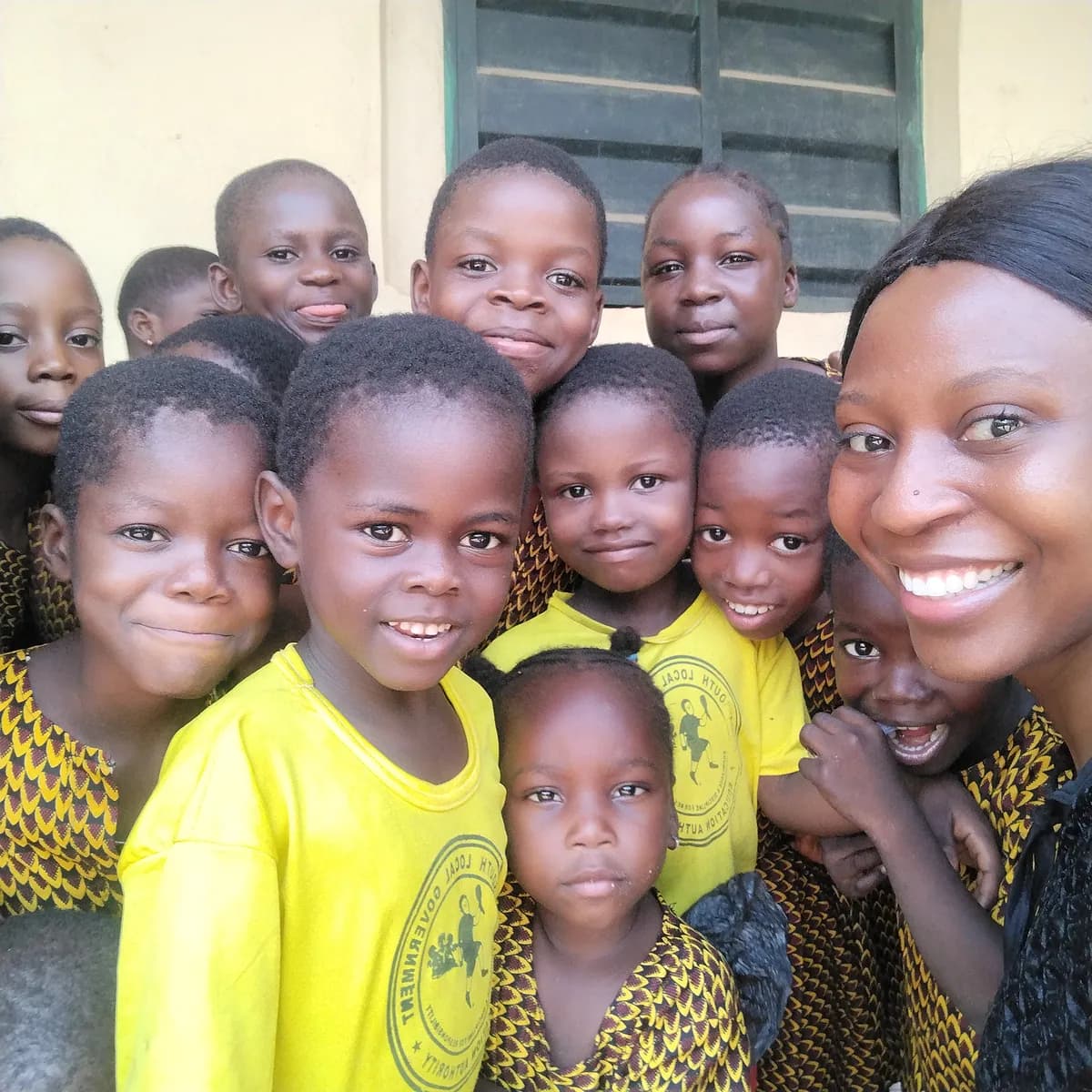 View in the gallery: A teacher leading a lesson in a classroom.
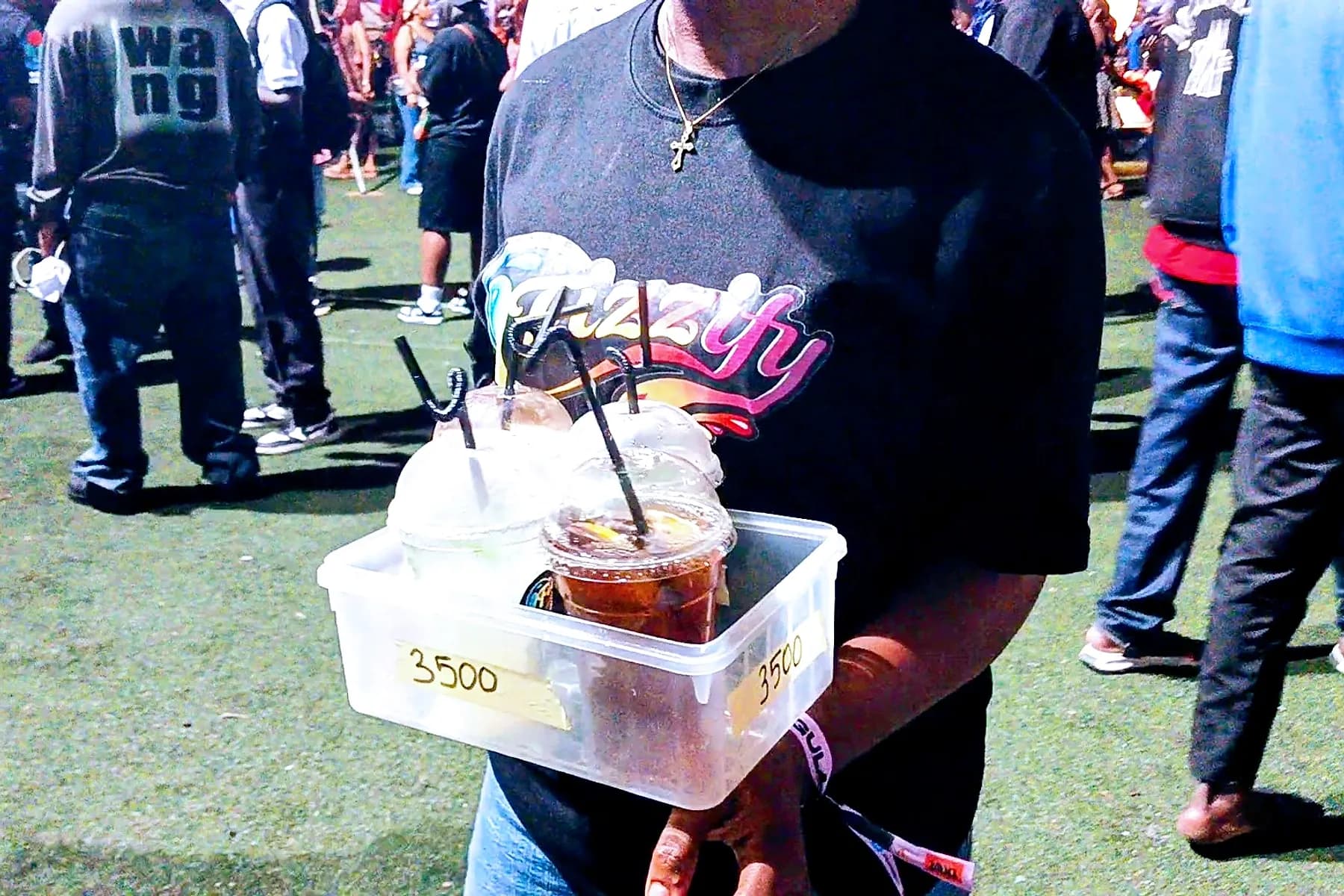 View in the gallery: Evening lights at an outdoor festival venue.
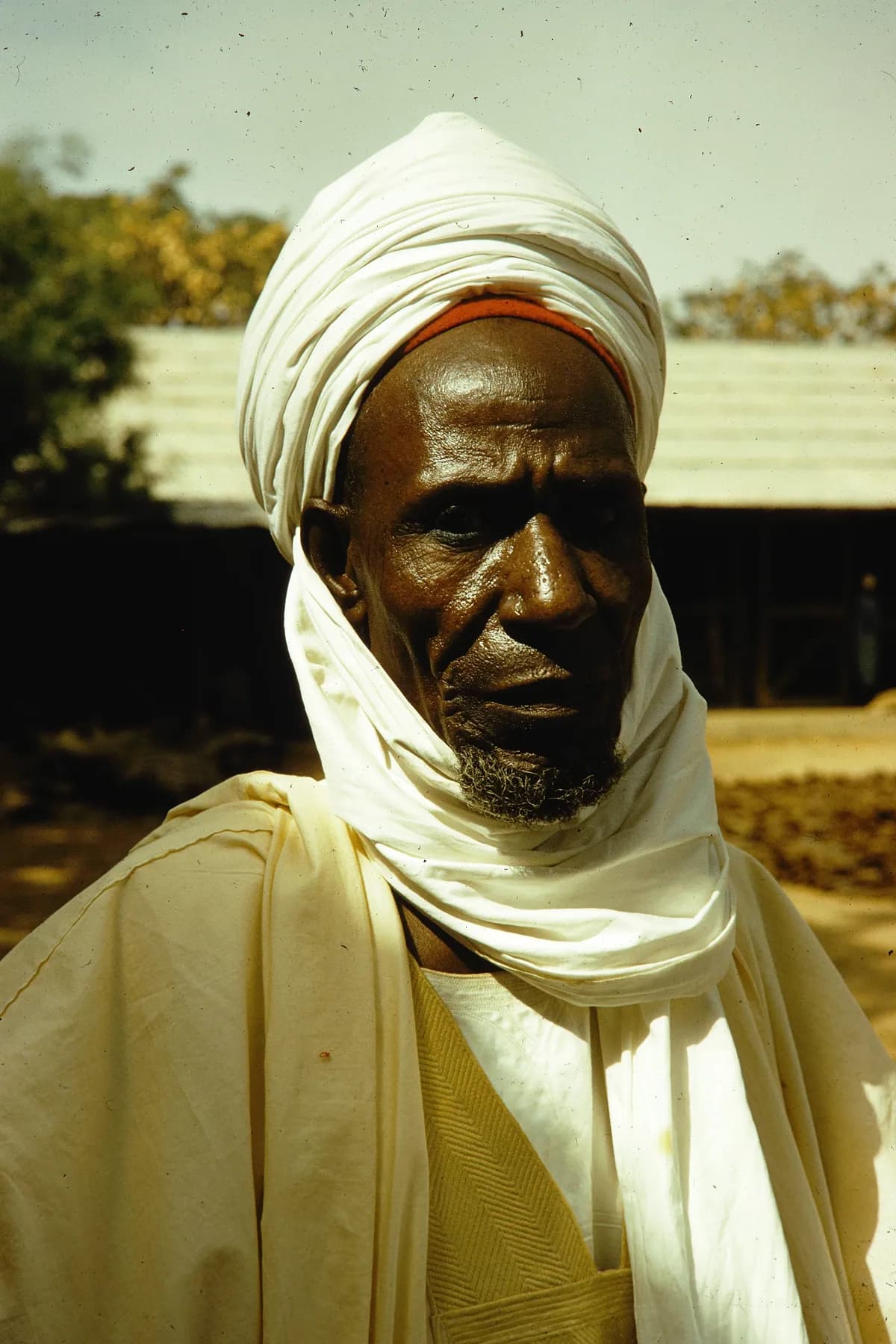 View in the gallery: Portrait of a man from northern Nigeria.
Partners
Partner organisations will be listed here
We have deliberately not listed any partners yet. Naming an organisation as a partner requires its agreement and permission to use its logo, so this section stays empty until LAHDI confirms each one. If you would like to work with us, we would be glad to hear from you.
Get Involved
Support LAHDI’s work.
A one-time or monthly gift funds programme delivery and gives us the ability to respond when a community needs support quickly.
Donate nowGive your time and expertise.
We work with volunteers in the field and remotely — in training, logistics, communications, monitoring, health and skilled trades.
Register interestCollaborate with LAHDI.
We partner with government agencies, NGOs, development institutions, businesses and community organisations on joint delivery and funding.
Start a conversationHelp amplify important causes.
Share the work, raise issues that matter in your own networks, or fundraise for a programme area you care about.
Get in touch
Donate
Every contribution helps communities access the resources, opportunities and support they need to build a stronger future.
Payments are processed by a licensed provider on their secure page. LAHDI never sees or stores your card details.
Choose an amount to begin, or enter your own on the next step.
Donate nowPrefer to give another way? Contact us
Occasional updates on our programmes, field reports and the communities we work alongside. No more than a few emails a year.