The projects that are still working five years later have one thing in common, and it is not their budget.
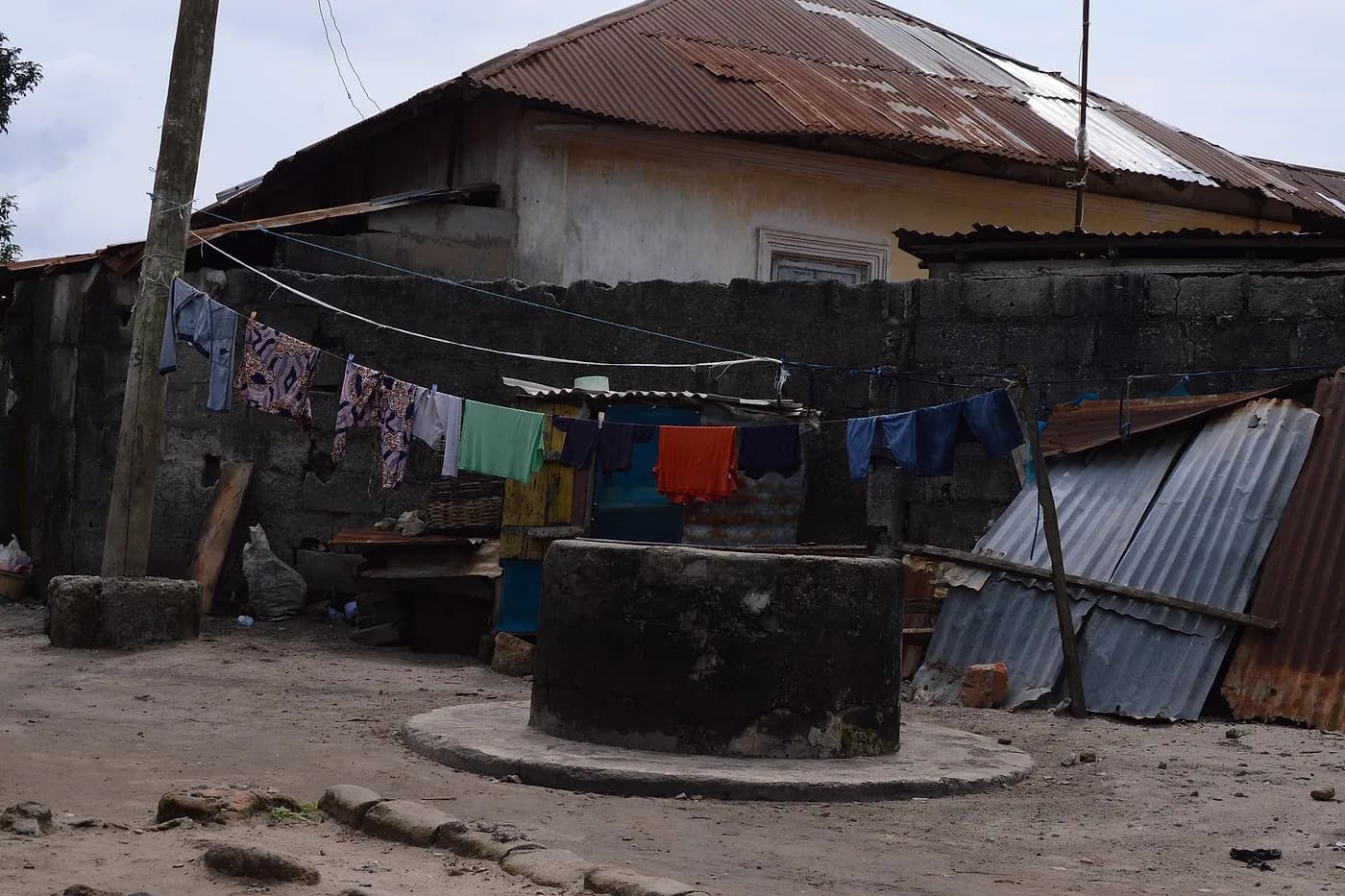
Development work has a well-documented failure pattern. A facility is built, commissioned and photographed. The implementing organisation moves on. Within a few years the pump is broken, the classroom is locked, or the equipment has been quietly absorbed elsewhere. The asset existed; the change did not.
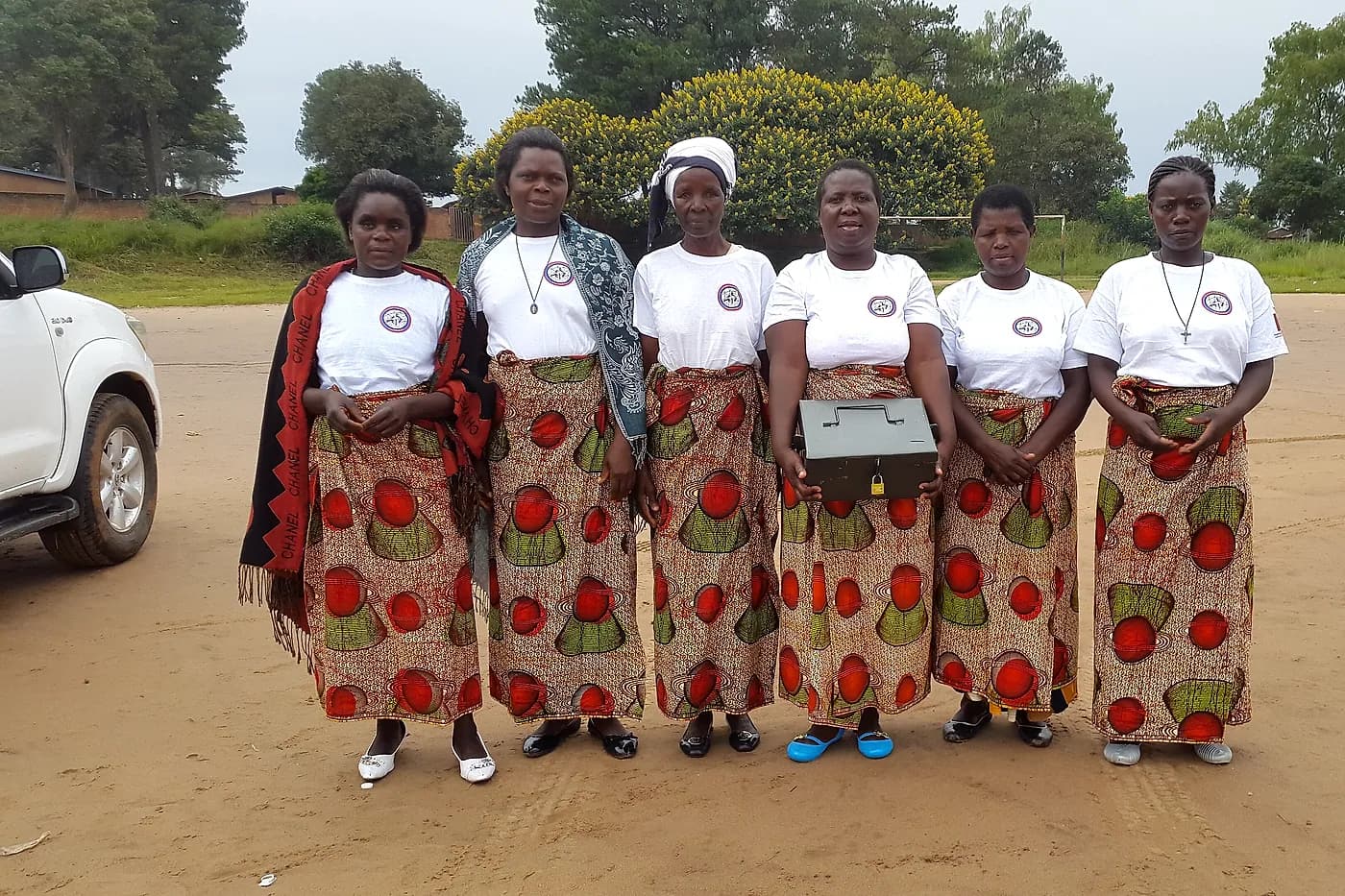
What separates the projects that survive from the ones that do not is rarely the size of the budget. It is whether the community held the decision in the first place — whether they chose the priority, shaped the design, contributed to the cost, and knew from the beginning who would be responsible for it afterwards.
Ownership is built before construction starts
Ownership cannot be handed over at the end of a project. By then the pattern of who decides has already been set. If every meaningful decision was made by the implementing organisation, the handover ceremony transfers a liability, not a responsibility.
- The community identifies the priority, rather than selecting from a menu.
- The community contributes something real — labour, land, materials or cash.
- A named local structure is accountable for operation and maintenance from day one.
- The maintenance cost is known, and there is an agreed way of meeting it.
Slower to start, harder to reverse
This method has an obvious cost: it is slower. Consultation takes months that a construction timeline does not want to give. Committees argue. Priorities shift. An organisation optimising for disbursement speed will find community-led design frustrating.
But the alternative is faster delivery of things that do not last, which is not actually faster. Time spent establishing who decides is not overhead — it is the part of the work that determines whether the rest of it holds.
Verified quote from an LAHDI beneficiary or community partner. — to be supplied and verified by LAHDI.
No testimonial has been invented for this placeholder.
This is the standard LAHDI holds itself to, and the standard we ask our partners to hold us to: not what was delivered, but what is still standing, still used and still locally managed once we have stepped back.